When her father died, Anna found a photograph tucked inside a folder of old pension letters. He was standing outside a workshop beside three other men, wearing the overalls she remembered from childhood.
She recognised his smile.
She knew almost nothing about the place behind him.
At home, he had rarely talked about work beyond mentioning an early shift or a colleague who made everyone laugh. Now, following his death from mesothelioma, Anna was trying to piece together where he had worked and whether those jobs could explain his exposure to asbestos.
She remembered a few company names. Her mother recalled others. Some dates were uncertain, and one employer appeared to have closed years earlier.
Anna’s story is an illustrative example, but the questions she faces may feel familiar.
For families bereaved by mesothelioma, looking into a loved one’s employment history can mean revisiting a part of their life they knew only in fragments. But this recollection is crucial. Mesothelioma is almost always caused by exposure to asbestos. Finding out if your relative was exposed without their knowledge, and whether those responsible failed to protect them, is paramount.
First, it can help establish whether compensation is available. This money can relieve the financial strain on a family that has lost an important, if not the main, breadwinner.
Second, discovering the causes of a fatal disease — especially when it stems from work itself — can give a name to the pain and injustice. After months or years of fighting a terrible illness, understanding its origins may not undo the loss, but it can ease the weight of helplessness.
Initially, reconstructing decades of the deceased’s employment history may seem impossible. But the truth is that you do not need to know every employer or have years of paperwork before you begin.
Why work from decades ago may matter
Asbestos-related diseases typically take decades to develop. The exposure responsible for a relative’s mesothelioma may therefore have happened long before retirement, during a job that the family barely remembers.
An employment history helps identify workplaces that may need investigation. It is a starting point: confirming that someone worked for a company does not, on its own, establish asbestos exposure or legal responsibility.
The next questions concern their everyday work. What did they do? Which buildings or sites were they based in? What materials were used around them?
Begin with what your family remembers
Old photographs may not provide all the answers, but they are often an excellent starting point. Payslips, recollections of a colleague’s name, or a memory of picking your relative up from work can take you a step further.
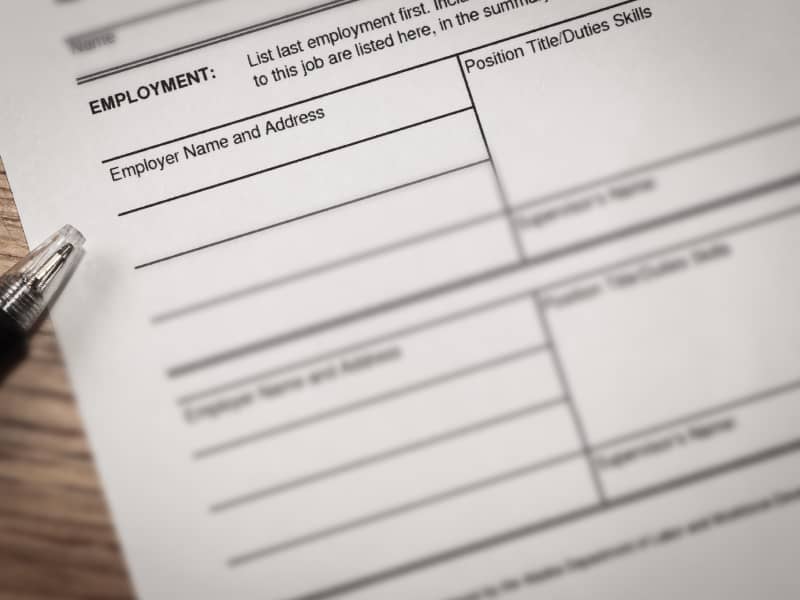
Start a simple timeline and add what you know about each job:
- The employer’s name and any other brands it used.
- Approximate employment dates.
- Your relative’s job title and duties.
- Workplace addresses or sites.
- Colleagues who might remember working alongside them.
- Anything they mentioned about asbestos, insulation, or dusty conditions.
You can leave gaps. Mark uncertain dates as estimates, and note who supplied each detail.
Family conversations may bring back useful memories, but there is no need to force certainty. “I think he worked there before we moved house” is a lead to investigate, rather than a fact you must prove immediately.
Look through surviving documents
Documents kept for other reasons can help rebuild a working life. Useful items may include payslips, P45s, P60s, employment contracts, pension statements, union records, and letters from employers.
Photographs, diaries, and old CVs can also offer clues. A picture, for example, may show the company’s name in the background, on a desk, or on a colleague’s clothing. A pension statement, in turn, might identify an employer your relative never mentioned.
Keep originals and make copies. It helps to organise documents by employer or approximate date, but you do not need to turn them into a complete evidence file yourself.
Request employment records from HMRC
HM Revenue and Customs has a specific process for requesting the employment history of someone who has died.
You can apply if you are legally entitled to seek damages on behalf of their estate in a personal injury or fatal accident claim, or under the Diffuse Mesothelioma Payment Scheme.
The application uses HMRC’s ‘request employment history about a deceased person’ form. The department advises contacting its National Insurance general enquiries helpline if you have not heard back after 40 days.
Bear in mind that, although these records can help identify employers and employment periods, they will not usually explain the tasks your relative performed or the conditions in which they worked.
Find people who remember the workplace
In Anna’s case, the men in the photograph represented another possible source of information. Someone who worked beside her father might remember details that never came up at home.
Former colleagues may be able to describe the department your relative worked in, the materials they handled, or maintenance work taking place nearby.
Trade unions, pension administrators, local archives, historical newspapers, and former employee groups may also provide leads, depending on the employer. Records will not always have survived, but missing paperwork does not mean every avenue has been exhausted.
If you locate a former colleague, keep their contact details and note when and where they worked with your relative. A solicitor can assess whether their account would help and arrange a formal witness statement where appropriate.
Connect the employment history to asbestos exposure
The investigation needs to move from where your relative worked to what happened there.
Useful questions include whether they handled or worked near asbestos-containing materials, whether other workers disturbed insulation nearby, how often this happened, and what protective measures were provided.
It is important to separate what someone remembers directly from what they suspect. A clear account of a task or working condition is more useful than trying to fill gaps with assumptions.
What if the company has closed?
Finding that an employer no longer exists can feel like reaching a dead end.
It is not.
Companies House records can help establish a company’s status, previous names, and insolvency information. These details may explain why a familiar employer no longer appears in a search.
The Employers’ Liability Tracing Office (ELTO) also provides a free service to help individuals and legal representatives trace employers’ liability insurance. Further investigation may be needed if an initial search does not identify the relevant policy.
When the responsible employer or insurer cannot be traced, eligible dependants may be able to apply to the Diffuse Mesothelioma Payment Scheme. Its conditions include requirements concerning the diagnosis date and occupational asbestos exposure.
You do not need every answer at the beginning
The anxiety of seeking answers can push you to have everything perfectly organised. Paradoxically, trying to put this puzzle together from the very beginning will only hinder the process. Take a deep breath and start slowly.
A solicitor experienced in fatal mesothelioma compensation claims can make the process easier by tracing employment history on your behalf, explaining your legal options, and gathering the evidence needed to support your case. They can also assess your family’s losses and seek the full amount you may be entitled to.
Contact Fatal Accident Claims to discuss what you know, even if it feels incomplete, and get guidance on what to do next.