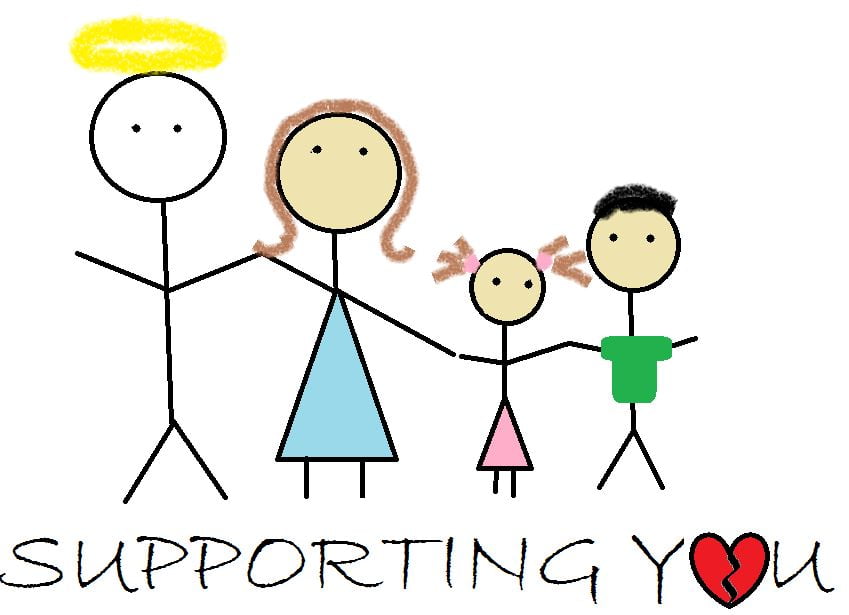
The Government has launched its A Fairer End to Relationships Consultation, proposing significant reforms to strengthen the legal rights of cohabiting couples following separation or death.
The proposals would provide greater financial protection for unmarried couples who have lived together for at least three years or who share a child, recognising that family life has evolved considerably over recent decades.
While much of the discussion has focused on relationship breakdown, inheritance rights and protection from domestic abuse, the consultation also highlights a wider issue that affects many families every year: the limited protection available to some unmarried partners following the death of a loved one.
For those whose partner has died because of medical negligence, a road traffic collision, a workplace accident or another avoidable incident, the legal position can remain surprisingly complex despite recent reforms.
The Myth of ‘Common Law’ Marriage
Many people still believe that living together for a number of years creates legal rights equivalent to marriage. Unfortunately, this remains one of the most common misconceptions in family law.
In England and Wales, there is no such thing as a “common law.’ Many describe it also as ‘next of kin.’ As a result, unmarried couples can face significant legal uncertainty when a relationship ends, particularly following a death.
Whilst the Government’s proposals seek to improve inheritance rights and financial remedies for cohabiting couples, important challenges remain under the Fatal Accidents Act 1976.
Why This Matters Following a Fatal Accident
When a death has been caused by negligence, surviving family members may be entitled to bring fatal accident claims under the Fatal Accidents Act 1976.
The legislation was drafted during a very different era when marriage was far more common and family structures were less diverse. Although reforms have improved the position for some cohabiting partners, many unmarried couples continue to face additional evidential hurdles when pursuing compensation.
Unlike married couples, who can often establish their relationship status immediately through a marriage certificate, unmarried partners may need to provide detailed evidence demonstrating:
- The length of the relationship
- Shared living arrangements
- Financial dependency
- Joint household expenditure
- Childcare responsibilities
- Future expectations of support
This can create additional stress and uncertainty at an already devastating time.
Dependency Claims Can Present Additional Challenges
One of the most important aspects of a fatal accident case is the dependency claim.
A dependency claim seeks compensation for the financial support and services that would have been provided had the deceased survived.
Examples commonly include:
- Mortgage and rent contributions
- Household bills
- Childcare support
- DIY and home maintenance
- Gardening
- Transport assistance
- Future pension benefits
- Financial contributions to the family unit
For unmarried partners, proving the extent of dependency can become a significant issue in litigation. Defendants and insurers may scrutinise the nature of the relationship in far greater detail than would typically occur where the parties were married.
This is particularly important where there are no joint bank accounts, no shared property ownership arrangements or blended family circumstances.
Bereavement Damages Continue To Attract Criticism
Another area of concern is the limited nature of bereavement damages available under the legislation.
Many campaigners argue that the fixed statutory award does not adequately reflect the devastating emotional consequences of losing a loved one.
Further information about eligibility and the current award can be found in our guide to the bereavement award scheme in the Fatal Accidents Act 1976.
Children And Modern Family Structures
The law has gradually evolved to recognise a broader range of family relationships. However, challenges can still arise where children are involved, particularly in unmarried households.
Parents seeking advice following the death of a child or where a child has lost a parent or family member may find further information in our guide to fatal accident claims involving a family member.

Reform Must Extend Beyond Cohabitation Rights
The Government’s consultation is undoubtedly a welcome development. However, the issues facing cohabiting couples do not end with inheritance rights or financial remedies on separation.
Where a partner dies due to negligence, surviving families continue to navigate a legal framework that many practitioners believe has not fully kept pace with modern family life.
As cohabitation becomes increasingly common, there is a growing argument that the Fatal Accidents Act 1976 should undergo further reform to ensure long term unmarried partners receive fair and effective protection following a wrongful death.
For those affected by the loss of a loved one, obtaining specialist advice regarding fatal accident claims at an early stage can help ensure that all potential claims for dependency, bereavement and future losses are fully investigated.

Independent Legal Advice Following a Fatal Accident
The death of a partner or family member is one of the most difficult experiences anyone can face. Where that death may have been caused by negligence, families are often left with unanswered questions about what happened, whether the death could have been prevented and how they will cope financially in the future.
At R. James Hutcheon Solicitors, we provide independent specialist advice to families pursuing fatal accident claims arising from medical negligence, road traffic collisions, workplace accidents and other avoidable deaths.
We understand that every family is different. Whether you were married, in a long term cohabiting relationship or financially dependent upon the deceased in another way, we can advise on your potential rights under the Fatal Accidents Act 1976 and help you understand the compensation that may be available.
Our team can arrange a free initial consultation to discuss your circumstances, assess the merits of a claim and explain the legal process in clear and straightforward terms.
In appropriate cases, we are able to offer representation under a No Win No Fee Agreement, meaning there is no financial risk in obtaining expert legal advice at the outset.
If you would like confidential advice regarding a potential fatal accident claim, please contact our specialist team who will be happy to assist.